INFRASTRUCTURE – PARKING AND HIGHWAYS
The final focus for the impact of extra housing in Knowle’s infrastructure is on parking and the road network. It is widely recognised that finding a parking space in the village centre at peak times is an increasing challenge and that those busy times are getting longer and longer. Furthermore, congestion on the main through routes and especially along the High Street is all too frequent. With population growth, matters can only get worse.
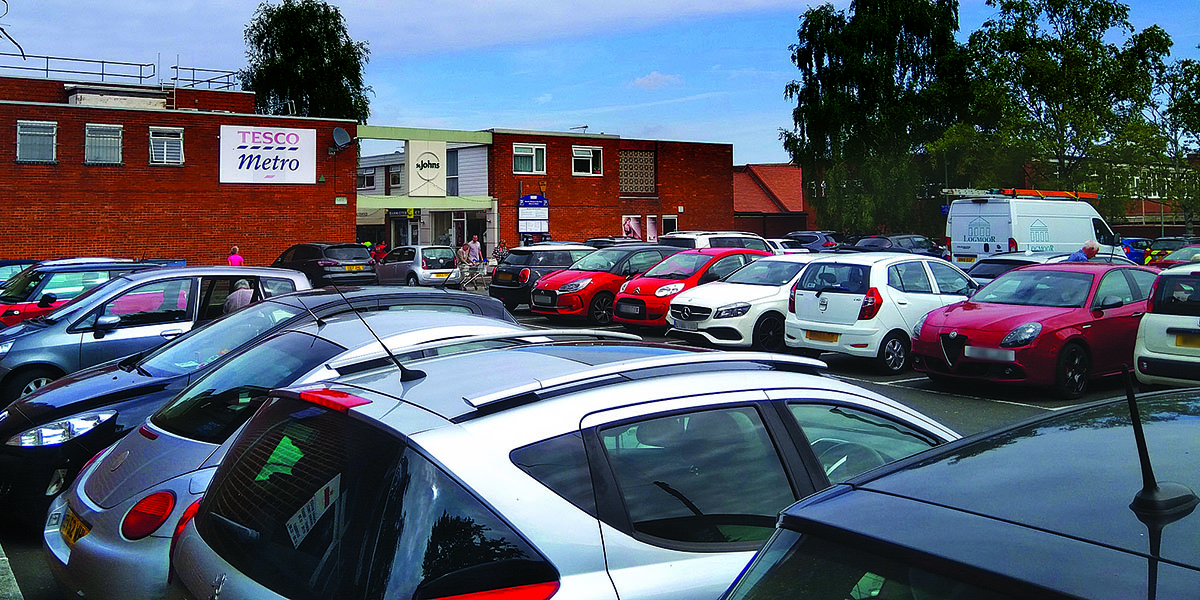
Since the refresh on the St John’s Way Precinct was planned, Visit Knowle, which keeps a watch on car park occupancy, projected that to meet the demands of additional successful retail space in the village alongside an expected growth of 1000 houses, 60 extra parking spaces would be needed as a minimum. That was before the number of spaces was reduced by the conversion of a number of them to wider electric charging points.
There have long been ideas about how these could be provided and discussions have been held between Visit Knowle, local councillors and the Highways Department with a view to initiating some feasibility work. The demand will be that Community Infrastructure Levy funds raised from developers be used to provide such spaces. Dialogue is ongoing.
Meanwhile, a package of highways Improvements, designed to relieve the pressure on junctions in the network has been identified and costed at £1,621,970. Available details are scant at that stage. What is known is that the improvements would be made at the junctions of High St with Kenilworth Road (by the Church), Station Road with Lodge Road (otherwise known as Holland’s Corner) and Station Road with Grove Road (by the Cricket Club).
As conditions of the planning approvals given to them for developments on the Arden Triangle, Kler Construction were asked to commit £831,306 and Taylor Wimpey to commit £369,469 towards this improvement programme through their SEction 106 Agreements.
Whether these investments would solve the future congestion issues reamins open to question, though. That uncertainty arises primarily from the Knowle Transport Study 2020, the topic for the next of these posts, coming soon.